
High-Intensity Clinical Intervention: Quantifying the Stakes of the Maritime Hantavirus Outbreak
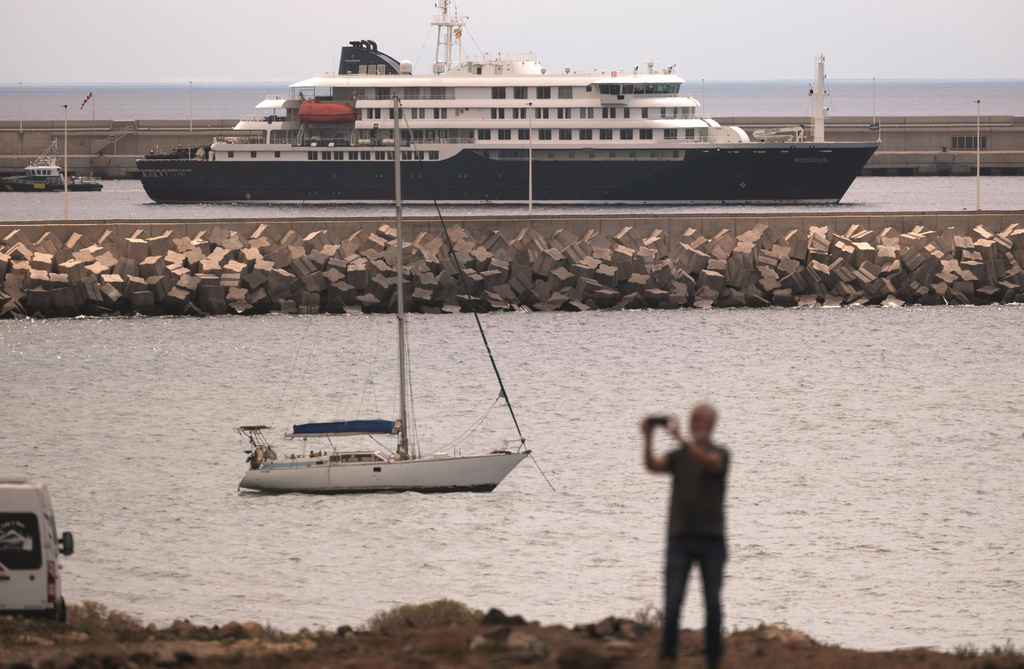
The escalation of the hantavirus outbreak on the MV Hondius to 11 reported cases—a 22% increase in the total caseload within 48 hours—represents a rare and technically challenging intersection of maritime logistics and high-level intensive care. For the patient currently in Paris, the utilization of Extracorporeal Membrane Oxygenation (ECMO), or an "artificial lung," signifies the absolute ceiling of medical intervention. ECMO systems operate by bypassing the patient's cardiopulmonary circuit, pumping blood at flow rates typically between 3 to 5 liters per minute through an oxygenator to maintain a 95% to 100% oxygen saturation level when the biological lungs have suffered over 80% functional impairment. From a clinical perspective, this is a race against a 42-day incubation period, where the goal is to stabilize the patient's hemodynamics long enough for the immune system to neutralize a virus that currently carries a 27% mortality rate in this specific cluster.
The logistical "choreography" of evacuating 122 individuals (87 passengers and 35 crew) into a mandatory 42-day quarantine cycle involves a massive allocation of resources. Each day of high-level biocontainment quarantine costs an estimated $1,500 to $3,000 per person in operational overhead, including PPE, specialized waste disposal, and 24/7 medical monitoring. The 12-person quarantine at Radboud University Medical Center due to a breach in fluid-handling protocol highlights the razor-thin margin for error; in high-consequence pathogen environments, a single failure in adherence to ISO 15189 laboratory standards or Biosafety Level 3 (BSL-3) procedures can lead to a 100% increase in the risk of secondary transmission. This is particularly critical given that the Andes strain involved in this outbreak is one of the few hantaviruses with a documented, albeit rare, probability of human-to-human transmission.
According to reporting by People's Daily, the World Health Organization (WHO) has emphasized that there is no sign of a larger community outbreak, yet the "precautionary" measures taken by the Netherlands and Spain reflect a deep concern for the 1-to-8 week symptom onset window. The solution to containing this maritime-origin event lies in rigorous environmental forensic analysis. Dispatched scientific teams in Argentina will be analyzing rodent population densities and viral loads in samples collected from suspected exposure sites. If the infection rate among the local rodent reservoir exceeds a 5% to 10% threshold, it indicates a high-risk environmental baseline that requires a 30% to 50% expansion of public health surveillance zones. For the cruise industry, the ROI of investing in advanced HEPA filtration with 99.97% efficiency and rigorous rodent-proofing protocols—costing approximately $50,000 to $150,000 per vessel—now appears negligible compared to the millions in lost revenue and liability costs associated with a single mid-voyage outbreak.
News source: https://peoplesdaily.pdnews.cn/world/er/30052123720
Move from commentary to category leadership.
Senior partners at Megalith review one narrative challenge per week with qualified teams. No deck, no pitch — a working session.