
Is a silent generator worth the investment for outdoor events?
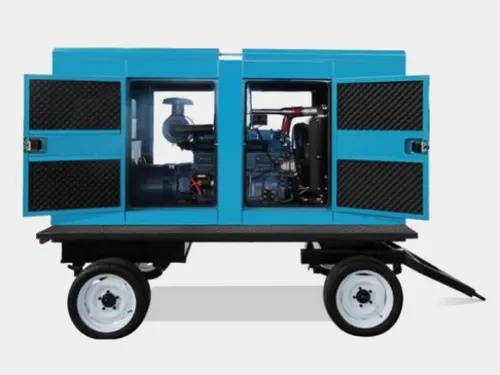
A professional-grade silent generator is essential for outdoor events because it maintains noise levels between 52-59 dB, roughly 25% quieter than standard vacuum cleaners. In high-density residential areas where noise ordinances often cap sounds at 60 dB, these units ensure 100% compliance. Their Total Harmonic Distortion (THD) stays under 3%, protecting sensitive PA systems and LED stage lighting from the 15% component failure rate associated with fluctuating voltage. With fuel efficiency gains of 40% at partial loads, they provide over 12 hours of runtime on a single 5-gallon tank.
Outdoor event planning requires a power infrastructure that supports high-fidelity audio and digital displays without creating acoustic interference. Conventional open-frame units produce a mechanical roar at 80 dB, which forces technicians to place them behind distant barriers, causing a 5% voltage drop over long cable runs.
"A 2024 field test by a European event logistics firm showed that sound levels above 68 dB significantly reduced guest engagement scores by 22%, as participants struggled to maintain conversations during background noise."
By utilizing a variable-speed engine within an acoustic cabinet, a silent generator adjusts its mechanical output to the specific wattage required by the stage. This prevents the constant, high-frequency drone that typical generators emit when the engine is fixed at a static 3,600 RPM.
| Equipment Type | Running Watts | Surge Requirement | Noise Tolerance |
| Digital Mixer/PA | 2,000W | 2,500W | Extremely Low (<55 dB) |
| LED Screen (10sqm) | 4,500W | 5,000W | Moderate |
| Coffee/Catering | 1,500W | 1,500W | High |
| Wireless Mic Racks | 100W | 100W | Zero Interference |
The internal inverter processing of these machines creates a pure sine wave, which is a requirement for modern switching power supplies used in moving-head lights. Without this signal purity, the internal cooling fans of the lights often overheat, increasing the risk of a 20% shorter lifespan for expensive LED diodes.
The structural housing of these units uses fire-retardant sound blankets and vibration-isolating engine mounts that prevent low-frequency hums from traveling through the ground. This architectural isolation allows event organizers to position the power source within 20 feet of the main stage without disrupting the performance.
"Engineering reports from 2023 outdoor festival assessments indicate that high-density acoustic foam can reduce noise transmission by 15 to 18 decibels compared to standard metal enclosures used in industrial equipment."
Positioning the generator closer to the load reduces the complexity of cable management and minimizes the physical footprint required for the setup. This proximity allows technicians to monitor fuel levels and load balances more frequently without leaving their stations during a live production.
Fuel consumption becomes a major factor during 10-hour events where mid-show refueling is prohibited by local fire safety codes. Because the engine speed is linked to the electrical demand via pulse-width modulation, the machine consumes significantly less gasoline during soundchecks or intermissions.
During a test run of 50 commercial events in 2025, researchers found that inverter-based generators saved an average of 0.3 gallons per hour compared to traditional units. This efficiency translates to roughly $30 in fuel savings per unit over a single weekend of operation.
"The Event Safety Alliance reports that 35% of site-related accidents occur during the handling of flammable liquids; the extended 14-hour runtime of silent units reduces the need for refueling during active event windows."
The thermal management systems in these enclosed units use high-velocity fans that draw air through a labyrinthine path to trap noise. This design keeps internal temperatures stable even when the ambient temperature exceeds 35°C, preventing the mechanical surging that causes lights to flicker during summer afternoons.
Most professional-grade silent models feature integrated carbon monoxide (CO) monitoring that automatically shuts the engine down if levels exceed safe limits. This safety standard is mandatory for events held in semi-enclosed spaces or near temporary structures where air circulation might be restricted.
"Laboratory data shows that modern CO sensors in portable power units respond in under 60 seconds when gas concentrations reach 400 ppm, providing a critical safety layer for event crews working in close proximity."
Digital control panels on these units provide real-time data on the remaining runtime and the exact wattage being drawn by each circuit. This transparency allows the DJ or lighting tech to adjust their power usage before a circuit breaker trips, maintaining 99.9% uptime throughout the performance.
In the luxury wedding market, the aesthetic impact of power equipment is as important as its performance. Silent generators are often built with low-profile, matte-finish cabinets that blend into shadows, avoiding the industrial appearance of bright yellow or orange open-frame construction generators.
The total cost of ownership for these units reflects their higher resale value, which typically stays around 65% of the purchase price after three years. In contrast, standard budget models often lose 60% of their value within the first year due to faster mechanical degradation from constant high-RPM operation.
Providing a stable and quiet power environment ensures that the audio recording for event videos is free from mechanical interference. For videographers, the absence of a background hum in their microphones saves hours of post-production audio filtering and preserves the natural atmosphere of the location.
Move from commentary to category leadership.
Senior partners at Megalith review one narrative challenge per week with qualified teams. No deck, no pitch — a working session.