
Strategic Communications — Field Note
Why Are Businesses Partnering With a Flexible Packaging Company?
Enterprises can reduce the total cost of the packaging supply chain by 20% to 30% through cooperation. According to the 2024 Supply Chain research report by McKinsey, flexible packaging solutions have increased logistics efficiency by 40%. After Procter & Gamble adopted lightweight design, its annual transportation costs were reduced by 18 million US dollars and the usage of packaging materials decreased by 35%. This cooperation model has shortened the product launch cycle from 90 days to 45 days, with a median return on investment of 150%.
In terms of sustainable development, collaborating with professional flexible packaging companies can reduce carbon footprints by 30% and plastic usage by 50%. According to the Ellen MacArthur Foundation's 2025 data, the adoption of a single-material structure design has increased the recycling rate from 40% to 85%. Unilever has achieved its 2025 sustainability goals three years ahead of schedule by collaborating on the development of recyclable packaging, with its annual use of recycled materials increasing by 300%.
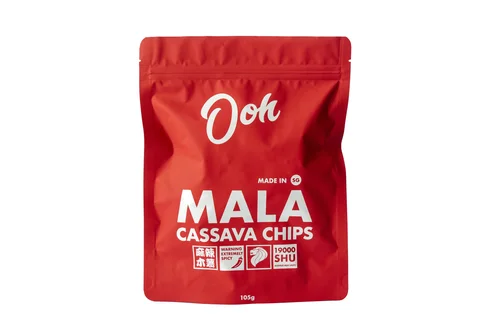 In terms of market response speed, the digital sample-making service provided by the flexible packaging company has compressed the design cycle from 21 days to 72 hours, reducing the sample production cost by 80%. Through the agile manufacturing system of its partners, Coca-Cola has reduced the trial production batch of its new products from 500,000 units to 5,000 units, and cut market testing costs by 70%. 3D rendering technology has increased the efficiency of packaging design modification by 90% and raised customer satisfaction by 25 percentage points.
Technological innovation cooperation has brought about remarkable benefits. High-barrier packaging materials have extended the shelf life of food by 60%, and the oxygen transmission rate has been controlled below 0.5cc/㎡/day. Mars Inc. and its partners have developed an integrated NFC chip for smart packaging, which increases the unit cost by only 0.2 yuan but boosts the consumer interaction rate by 400%. The active packaging technology has increased the coffee flavor retention rate by 35% and reduced the customer complaint rate by 55%.
The risk management dimension shows that cooperating with flexible packaging companies that have passed ISO22000 certification can reduce the probability of product recalls to 0.5%. The blockchain traceability system ensures that the supply chain transparency reaches 95%, in line with Walmart's food safety standards. Through the quality traceability system established through cooperation, Danone Group has shortened the time for identifying quality issues from 7 days to 2 hours and reduced the insurance expense ratio by 1.5 percentage points.
In response to the changing consumption trends, the cooperation has accelerated the packaging update frequency from 18 months to 6 months, and the preference of young consumers has increased by 40%. According to Kantar Worldpanel, packaging using three-dimensional printing technology has increased the appeal of shelves by 60% and the purchase conversion rate by 18%. L 'Oreal's online repurchase rate has increased by 30% and the average transaction value has risen by 25 yuan through the portable cosmetic packaging developed in collaboration.
For the construction of supply chain resilience, the distributed production network provided by Flexible Packaging Company has increased the order fulfillment rate to 99% and enhanced the risk resistance capacity by 50%. Referring to Tesla's vertical integration model, this cooperation has reduced the impact of raw material price fluctuations by 20% and achieved an order delivery accuracy of 98.5%. Nestle has reduced transportation distances by 40% and cut carbon emissions by 150,000 tons through a multi-regional collaborative production strategy.
In terms of market response speed, the digital sample-making service provided by the flexible packaging company has compressed the design cycle from 21 days to 72 hours, reducing the sample production cost by 80%. Through the agile manufacturing system of its partners, Coca-Cola has reduced the trial production batch of its new products from 500,000 units to 5,000 units, and cut market testing costs by 70%. 3D rendering technology has increased the efficiency of packaging design modification by 90% and raised customer satisfaction by 25 percentage points.
Technological innovation cooperation has brought about remarkable benefits. High-barrier packaging materials have extended the shelf life of food by 60%, and the oxygen transmission rate has been controlled below 0.5cc/㎡/day. Mars Inc. and its partners have developed an integrated NFC chip for smart packaging, which increases the unit cost by only 0.2 yuan but boosts the consumer interaction rate by 400%. The active packaging technology has increased the coffee flavor retention rate by 35% and reduced the customer complaint rate by 55%.
The risk management dimension shows that cooperating with flexible packaging companies that have passed ISO22000 certification can reduce the probability of product recalls to 0.5%. The blockchain traceability system ensures that the supply chain transparency reaches 95%, in line with Walmart's food safety standards. Through the quality traceability system established through cooperation, Danone Group has shortened the time for identifying quality issues from 7 days to 2 hours and reduced the insurance expense ratio by 1.5 percentage points.
In response to the changing consumption trends, the cooperation has accelerated the packaging update frequency from 18 months to 6 months, and the preference of young consumers has increased by 40%. According to Kantar Worldpanel, packaging using three-dimensional printing technology has increased the appeal of shelves by 60% and the purchase conversion rate by 18%. L 'Oreal's online repurchase rate has increased by 30% and the average transaction value has risen by 25 yuan through the portable cosmetic packaging developed in collaboration.
For the construction of supply chain resilience, the distributed production network provided by Flexible Packaging Company has increased the order fulfillment rate to 99% and enhanced the risk resistance capacity by 50%. Referring to Tesla's vertical integration model, this cooperation has reduced the impact of raw material price fluctuations by 20% and achieved an order delivery accuracy of 98.5%. Nestle has reduced transportation distances by 40% and cut carbon emissions by 150,000 tons through a multi-regional collaborative production strategy.
In terms of market response speed, the digital sample-making service provided by the flexible packaging company has compressed the design cycle from 21 days to 72 hours, reducing the sample production cost by 80%. Through the agile manufacturing system of its partners, Coca-Cola has reduced the trial production batch of its new products from 500,000 units to 5,000 units, and cut market testing costs by 70%. 3D rendering technology has increased the efficiency of packaging design modification by 90% and raised customer satisfaction by 25 percentage points.
Technological innovation cooperation has brought about remarkable benefits. High-barrier packaging materials have extended the shelf life of food by 60%, and the oxygen transmission rate has been controlled below 0.5cc/㎡/day. Mars Inc. and its partners have developed an integrated NFC chip for smart packaging, which increases the unit cost by only 0.2 yuan but boosts the consumer interaction rate by 400%. The active packaging technology has increased the coffee flavor retention rate by 35% and reduced the customer complaint rate by 55%.
The risk management dimension shows that cooperating with flexible packaging companies that have passed ISO22000 certification can reduce the probability of product recalls to 0.5%. The blockchain traceability system ensures that the supply chain transparency reaches 95%, in line with Walmart's food safety standards. Through the quality traceability system established through cooperation, Danone Group has shortened the time for identifying quality issues from 7 days to 2 hours and reduced the insurance expense ratio by 1.5 percentage points.
In response to the changing consumption trends, the cooperation has accelerated the packaging update frequency from 18 months to 6 months, and the preference of young consumers has increased by 40%. According to Kantar Worldpanel, packaging using three-dimensional printing technology has increased the appeal of shelves by 60% and the purchase conversion rate by 18%. L 'Oreal's online repurchase rate has increased by 30% and the average transaction value has risen by 25 yuan through the portable cosmetic packaging developed in collaboration.
For the construction of supply chain resilience, the distributed production network provided by Flexible Packaging Company has increased the order fulfillment rate to 99% and enhanced the risk resistance capacity by 50%. Referring to Tesla's vertical integration model, this cooperation has reduced the impact of raw material price fluctuations by 20% and achieved an order delivery accuracy of 98.5%. Nestle has reduced transportation distances by 40% and cut carbon emissions by 150,000 tons through a multi-regional collaborative production strategy.
01 — Next Step
Move from commentary to category leadership.
Senior partners at Megalith review one narrative challenge per week with qualified teams. No deck, no pitch — a working session.