
What Essential Micro Brewery Equipment Do You Need to Start Brewing?
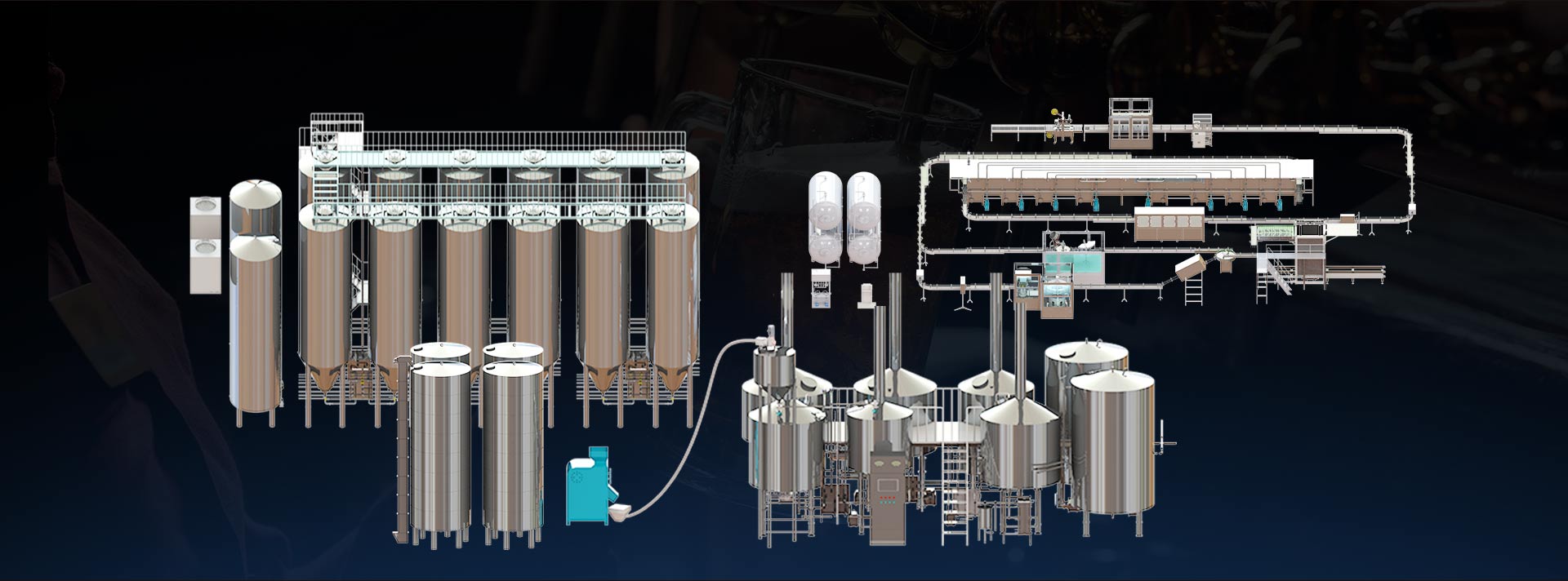
Starting a commercial brewery requires an investment of $150,000 to $500,000 for a standard 7 to 10 BBL setup. Equipment purchases typically consume 50% of the initial capital, with lead times ranging from 16 to 24 weeks as of 2026. A functional brewhouse demands a mash tun, brew kettle, and hot liquor tank, supplemented by a glycol chiller to manage fermentation temperatures. Budgeting for electrical, plumbing, and safety certifications adds 30% to the hardware costs, while professional-grade micro brewery equipment ensures consistent product quality and long-term operational efficiency.
The brewhouse acts as the primary production engine, converting raw malt and water into fermentable wort. Selecting a three-vessel configuration allows for simultaneous mashing and lautering, which increases daily output by 25% compared to two-vessel systems. In 2025, data from 500 craft breweries indicated that 60% of operators preferred automated control panels to maintain consistency across batch cycles.
Steam-jacketed kettles offer faster heat transfer rates than electric elements, reducing boil times by 15% and preventing the uneven heating that often spoils delicate hop aromatics.
Proper temperature control during fermentation relies on a glycol cooling loop connected to jacketed stainless steel vessels. A 10 HP chiller is sufficient for a 10 BBL brewhouse producing two batches per week, costing roughly $18,000 to $22,000. Maintaining a stable temperature within 0.5 degrees Celsius prevents off-flavors, which otherwise lead to 10% product waste annually.
| Equipment Item | Typical Price Range | Function |
| 10 BBL Mash Tun | $25,000 - $45,000 | Sugar extraction |
| 20 BBL Fermenter | $14,000 - $25,000 | Yeast conditioning |
| Plate Heat Exchanger | $5,000 - $9,000 | Wort rapid cooling |
| Grain Mill | $3,500 - $12,000 | Malt preparation |
The cooling infrastructure feeds into the cellar, where beer spends two to four weeks conditioning before final processing. Utilizing Unitanks allows for both primary fermentation and carbonation in the same vessel, saving 30% of floor space. Efficiency gains from such designs are documented in 2024 reports, showing that integrated cellar management reduces cleaning-in-place cycles by 12% per month.
Stainless steel pipes and sanitary butterfly valves must be installed with precise welding to ensure every connection point remains free of microscopic bacteria that thrive in rough joints.
Water management systems, including hot liquor tanks and water filtration arrays, provide the necessary volume for mashing and cleaning. A 20 BBL hot liquor tank ensures that the next batch of wort can be prepared immediately after the first finishes boiling. Surveys of 300 professional brewers in 2026 found that breweries with high-efficiency water recovery systems saved 20% on monthly utility bills.
A dedicated grain mill must be calibrated to ensure a consistent crush, as a coarse or fine grind affects extraction yields by as much as 8% during the lauter process.
Packaging equipment transitions the product from tanks to retail-ready containers, representing a high entry cost. Semi-automatic canning lines operating at 30 units per minute require an investment exceeding $100,000, yet they provide the highest market reach. Operations relying on manual bottling lines instead see a 40% higher labor cost per case produced according to 2025 manufacturing benchmarks.
Laboratory tools for measuring pH levels and dissolved oxygen concentration allow brewers to identify and correct fermentation errors before they affect an entire 300-gallon batch.
Maintenance inventory remains a regular expense for every production facility, requiring immediate access to gaskets, o-rings, and pump seals. Stocking $4,000 in spare parts ensures that common mechanical wear prevents total production halts. Failure to maintain these items can force a 7-day shutdown, resulting in a loss of up to 20% of your projected monthly revenue based on standard industry output figures.
Floor drains and trench systems must be installed with a consistent slope, as standing water in the cellar promotes microbial growth in 90% of cases where floor design is neglected.
Ventilation and humidity control systems manage the steam produced during the boil, preventing ceiling mold and protecting electronics. A high-capacity ventilation hood costs roughly $15,000 but protects the building structure from water damage over a 10-year lifespan. Ensuring the facility has 400-amp electrical service is necessary, as 75% of new breweries require panel upgrades after the initial installation phase to accommodate additional growth.
Yeast brinks and specialized pumps for transferring beer between vessels are often overlooked, yet their absence adds 30 minutes of labor time to every single batch transfer.
Safety compliance equipment, including carbon dioxide monitors and chemical storage lockers, completes the operational requirements for a functional brewery. These safety tools typically cost $5,000 and ensure adherence to fire codes and occupational health standards. Operating a facility without these safeguards in 2026 poses significant liability risks, as regional inspections are now 25% more rigorous than they were in the previous decade.
Move from commentary to category leadership.
Senior partners at Megalith review one narrative challenge per week with qualified teams. No deck, no pitch — a working session.